

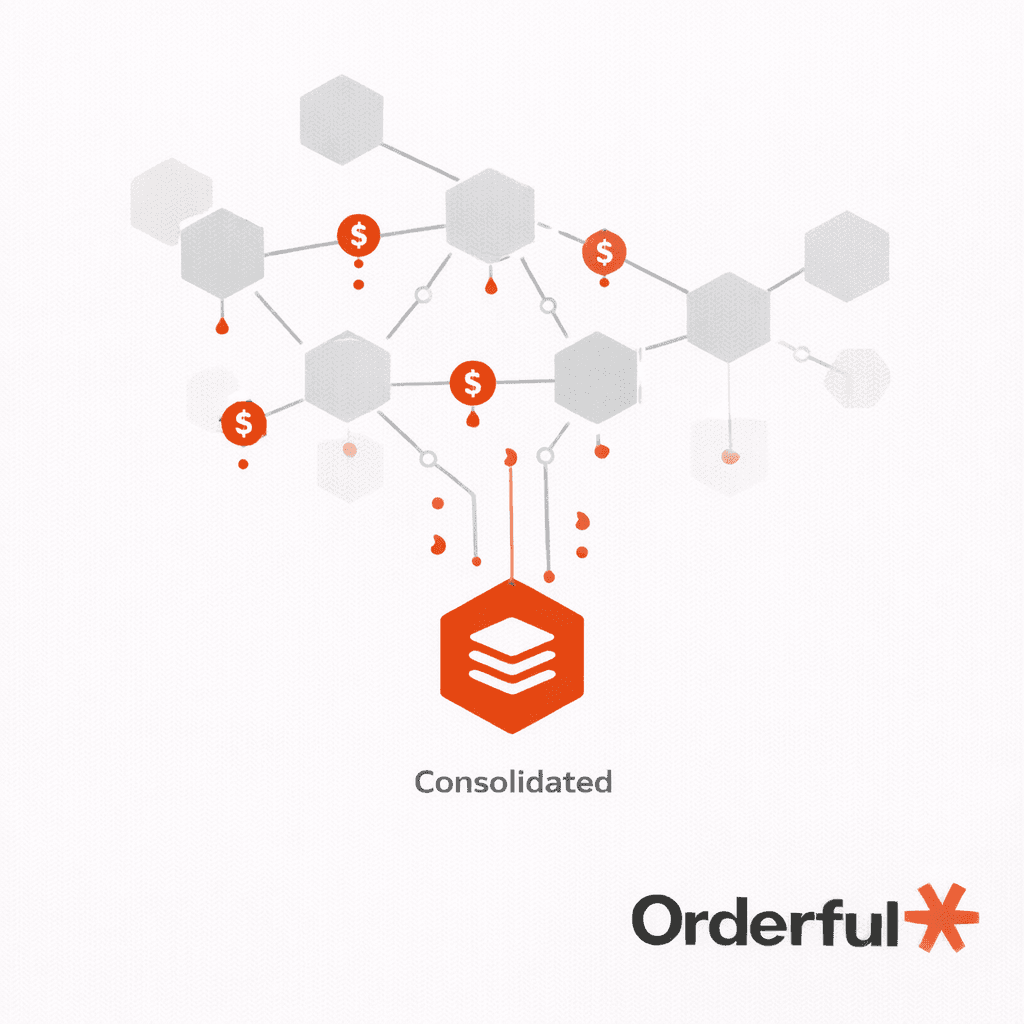
Managing multiple legacy EDI tools can drive hidden costs and complexity. Learn how consolidation simplifies operations and improves cost control.
Many organizations assume electronic data interchange (EDI) costs are easy to spot. Software licensing fees, setup costs, and trading partner fees show up neatly on invoices, making it feel like the full picture is right there. In reality, those visible expenses often represent only a fraction of what companies actually pay to keep EDI running.
Over time, it’s common to accumulate multiple legacy EDI tools, each added to solve a specific problem at a specific moment. This creates overlapping workflows, duplicated effort, and growing complexity that drive up operational costs. These unseen expenses don’t always appear on balance sheets, but they show up in the hidden costs associated with slower partner onboarding and limited flexibility.
This article explores where EDI costs accumulate and why consolidating with modern EDI tools is a critical step to control legacy EDI costs without slowing growth.
About Orderful
Orderful enables EDI consolidation by replacing multiple legacy tools and VANs with one cloud-based platform supporting standardized document exchange across all trading partners. A single API-driven integration layer eliminates point-to-point connections and system sprawl. Centralized partner and mapping management applies changes consistently across all relationships, while unified visibility tracks document status and transaction flows without switching systems. Transparent pricing replaces fragmented vendor contracts and per-transaction models with predictable costs that scale evenly with volume.
How Brands End Up With Multiple EDI Tools
Most companies don’t plan to manage multiple in-house EDI systems. The environment often evolves gradually as new requirements emerge and teams prioritize speed over simplicity. Each decision makes sense on its own, but combined, they create a fragmented EDI environment that becomes harder to manage.
Organic Growth Creates Tool Sprawl
Each new trading partner often comes with unique document requirements, communication protocols, or compliance rules. When existing tools can’t support those needs, teams introduce additional EDI solutions to keep business moving. Eventually, similar transactions become routed through different systems, increasing operational and integration complexity without adding real capability.
Mergers, Acquisitions, And Regional Expansion
Growth through acquisitions or regional expansion frequently brings inherited EDI software into the mix. Each acquired business may rely on a different EDI provider, pricing model, or internal resources. To avoid disrupting active operations, companies often leave these systems in place, allowing multiple EDI environments to coexist indefinitely.
Short-Term Fixes Become Long-Term Commitments
Adding another tool often feels faster than reworking an existing EDI integration. Teams rarely revisit those tactical choices. As time passes, temporary fixes quietly become permanent, increasing ongoing maintenance effort and complexity with every new trading partner onboarding event.
The Visible Costs Of Legacy EDI Tools
The most obvious EDI expenses are usually the easiest to track. Licensing agreements, recurring software maintenance fees, and infrastructure investments are clearly documented and often reviewed during budgeting cycles. While these costs are important, they only reflect what’s visible on paper, not the full operational burden of maintaining multiple systems.
Software licenses and subscriptions: Separate contracts for different EDI tools often mean overlapping functionality and duplicated spend.
Support contracts and provider fees: Each system typically requires its own support agreement, increasing ongoing service costs.
Infrastructure and hosting: Hybrid or on-premise EDI environments demand hardware, maintenance, and monitoring resources.
Setup, mapping, and transaction fees: Initial setup fees, ongoing mapping changes, and volume-based EDI pricing models add recurring expenses as document and data volume grow.
The Hidden Costs That Compound Over Time
The real financial impact of managing multiple legacy EDI tools often shows up outside of invoices. Costs can accumulate gradually as teams spend more time coordinating systems, resolving issues, and maintaining integrations that weren’t designed to work together. Operational friction ultimately becomes a persistent drain on internal resources, making it difficult to control EDI costs effectively.
Duplicated Work Across Teams
When similar transactions flow through different legacy systems, teams end up repeating the same work, unnecessarily increasing the overall cost of EDI operations. They end up recreating existing mappings, testing changes repeatedly, and updating documentation across multiple locations. Even small updates require extra coordination, increasing effort without improving outcomes.
Increased Maintenance And Technical Debt
Multiple EDI tools introduce fragile integrations that require constant attention. Updates to internal systems or trading partner requirements can trigger cascading changes across platforms. To avoid disruptions, teams may delay upgrades, allowing technical debt to grow and making future changes riskier and more time-consuming.
Troubleshooting And Visibility Gaps
When issues occur, identifying the root cause becomes harder in a multi-tool environment. Logs, alerts, and error handling vary by system, slowing investigation and resolution. Limited end-to-end visibility often means teams don't discover problems until after a document exchange fails or partners raise concerns.
Knowledge Silos And Team Dependency
As complexity increases, expertise concentrates among a few individuals who understand how systems connect. When those people are unavailable, progress stalls. Organizations can become dependent on institutional knowledge instead of scalable processes, increasing risk and limiting flexibility.
Why Multi-Tool EDI Environments Slow Growth
As companies grow, EDI systems need to support faster trading partner onboarding, higher transaction volume, more complex EDI infrastructure updates, and more frequent changes. In a multi-tool environment, growth tends to amplify existing inefficiencies instead of smoothing them out. Adding multiple trading partners or new document types tends to complicate an already fragmented setup.
Trading partner onboarding timelines often stretch as teams coordinate configurations across multiple systems. Inconsistent data handling increases the risk of errors, rework, and delayed transactions. Rather than scaling predictably, additional costs and effort rise alongside document volume, making growth harder to manage.
This complexity starts to limit how quickly organizations can adapt to new business opportunities and maintain EDI compliance with trading partners. Expanding into new channels or adjusting workflows becomes a heavier lift than it should be. What once felt like flexibility eventually becomes a constraint, slowing momentum and reducing the organization’s ability to respond as requirements evolve.
Signs It’s Time To Consolidate Your EDI Systems
There’s often a tipping point where managing multiple EDI tools becomes more effort than it’s worth. While making the transition may take some work, certain warning signs make it clear that consolidation is the best and only option.
EDI changes feel risky: Even small updates require extensive testing and coordination across systems, increasing the chance of errors.
Onboarding timelines keep growing: Adding new trading partners takes longer than expected due to duplicated setup and validation steps.
Costs are hard to predict: Fees vary by provider, transaction volume, and document type, making budgeting difficult.
Teams spend more time maintaining than improving: Fixes and workarounds consume internal resources to just maintain operations instead of improving processes.
How Orderful Enables EDI Consolidation
Lower upfront costs often entice organizations, only to leave them burdened with unexpected fees and hidden expenses spread across multiple in-house EDI systems. Bringing EDI tools together requires a platform that supports all trading partners, document types, and integration needs from a single foundation. Orderful addresses the core challenges of multi-tool environments by centralizing connectivity, visibility, and management within a single modern EDI implementation.
One Platform Replaces Multiple Legacy Tools And VANs
The Orderful cloud-based EDI platform eliminates the need to manage separate EDI software, value-added networks, and custom integrations for different partners. A single platform supports standardized document exchange across retailers, suppliers, and logistics partners, reducing fragmentation and simplifying operations.
A Single API Reduces Integration Complexity
With Orderful’s API-driven Mosaic, all transactions flow through a unified integration layer. This removes the need to maintain multiple point-to-point connections and minimizes system sprawl.
Centralized Partner And Mapping Management
Trading partner configurations, document mappings, and validation rules are managed in one place. Changes can be applied consistently, reducing duplicated work and lowering the risk of errors.
Unified Visibility Across Trading Relationships
Orderful provides end-to-end visibility into document status and transaction flows. Internal teams can quickly identify issues, track progress, and resolve problems without switching between systems.
Transparent Pricing Model Replaces Fragmented Contracts
A consolidated model with more flexible pricing replaces multiple vendor agreements and per-transaction models. Organizations can rely on predictable costs and reduce unexpected hidden fees as volume grows.
Understanding The ROI Of EDI Consolidation
The return on EDI consolidation comes less from eliminating line items and more from reducing operational drag and bottlenecks. When teams no longer manage multiple systems, they spend less time on maintenance, troubleshooting, and repetitive configuration work. That time can be redirected toward onboarding new trading partners faster and supporting business growth.
Consolidation also improves cost predictability. Instead of juggling different pricing models, transaction thresholds, and support contracts, organizations operate within a clearer cost structure that scales more evenly with volume. Fewer systems mean fewer surprises, such as mapping fees or additional implementation costs, as document volume increases or requirements change.
These efficiencies compound. Faster onboarding, fewer errors, and lower ongoing maintenance effort help control EDI costs while maintaining agility.
Lower Legacy EDI Costs Without Slowing Growth
Managing multiple legacy EDI tools can quietly drain resources, limit flexibility, and make growth harder than it needs to be. Consolidation offers a practical way to regain control, simplify operations, and build a cost structure that supports scale rather than working against it.
Orderful is designed to help you move away from disconnected EDI environments and toward a single, modern foundation for all trading partner connections. If your organization is ready to reduce legacy EDI costs and build a more predictable path forward, speak with an EDI expert today, or book a demo to see how Orderful supports EDI consolidation.
FAQ Section
How do brands end up with multiple EDI tools?
Brands accumulate multiple EDI tools through organic growth where each new trading partner brings unique requirements that existing tools can't support, prompting teams to add new solutions. Mergers, acquisitions, and regional expansion inherit different EDI providers from acquired businesses that remain in place to avoid disrupting active operations. Short-term fixes become long-term commitments when adding another tool feels faster than reworking existing integrations, and teams rarely revisit those tactical choices as temporary fixes quietly become permanent.
What are the visible costs of legacy EDI tools?
Visible costs include software licenses and subscriptions for separate contracts with overlapping functionality, support contracts and provider fees requiring agreements for each system, infrastructure and hosting for hybrid or on-premise environments demanding hardware and monitoring resources, and setup, mapping, and transaction fees adding recurring expenses as document volume grows. These documented costs appear in budgets and invoices but only reflect what's visible on paper, not the full operational burden of maintaining multiple systems.
What are the hidden costs that compound over time?
Hidden costs include duplicated work where similar transactions flowing through different systems require recreating mappings, testing changes repeatedly, and updating documentation across multiple locations. Increased maintenance and technical debt results from fragile integrations requiring constant attention where updates trigger cascading changes. Troubleshooting and visibility gaps slow issue resolution when logs and error handling vary by system. Knowledge silos create team dependency where expertise concentrates among few individuals, increasing risk and limiting flexibility as complexity grows.
Why do multi-tool EDI environments slow growth?
Multi-tool environments slow growth because complexity amplifies existing inefficiencies rather than smoothing them out. Trading partner onboarding timelines stretch as teams coordinate configurations across multiple systems. Inconsistent data handling increases error risk, rework, and delayed transactions. Additional costs and effort rise alongside document volume instead of scaling predictably. Expanding into new channels or adjusting workflows becomes heavier lifts than necessary, limiting how quickly organizations adapt to business opportunities and reducing their ability to respond as requirements evolve.
What are signs it's time to consolidate EDI systems?
Consolidation signs include EDI changes feeling risky where even small updates require extensive testing and coordination increasing error chances, onboarding timelines growing longer due to duplicated setup and validation steps, costs becoming hard to predict with fees varying by provider and transaction volume, and teams spending more time maintaining operations through fixes and workarounds instead of improving processes. These warning signs indicate managing multiple EDI tools creates more effort than it's worth.
How does Orderful enable EDI consolidation?
Orderful enables consolidation by replacing multiple legacy tools and VANs with one cloud-based platform supporting standardized document exchange across all trading partners. A single API-driven integration layer eliminates point-to-point connections and system sprawl. Centralized partner and mapping management applies changes consistently in one place, reducing duplicated work and error risk. Unified visibility provides end-to-end insight into document status and transaction flows without switching systems. Transparent pricing replaces fragmented vendor contracts with predictable costs that scale evenly as volume grows.
What is the ROI of EDI consolidation?
EDI consolidation ROI comes from reducing operational drag rather than just eliminating line items. Teams spend less time on maintenance, troubleshooting, and repetitive configuration work, redirecting effort toward faster partner onboarding and business growth support. Cost predictability improves by operating within clearer structures instead of juggling different pricing models and support contracts. Fewer systems mean fewer surprise fees like mapping charges as volume increases. These efficiencies compound through faster onboarding, fewer errors, and lower ongoing maintenance effort that controls costs while maintaining agility.
- 01About Orderful
- 02How Brands End Up With Multiple EDI Tools
- 03The Visible Costs Of Legacy EDI Tools
- 04The Hidden Costs That Compound Over Time
- 05Why Multi-Tool EDI Environments Slow Growth
- 06Signs It’s Time To Consolidate Your EDI Systems
- 07How Orderful Enables EDI Consolidation
- 08Understanding The ROI Of EDI Consolidation
- 09Lower Legacy EDI Costs Without Slowing Growth
- 10FAQ Section
