

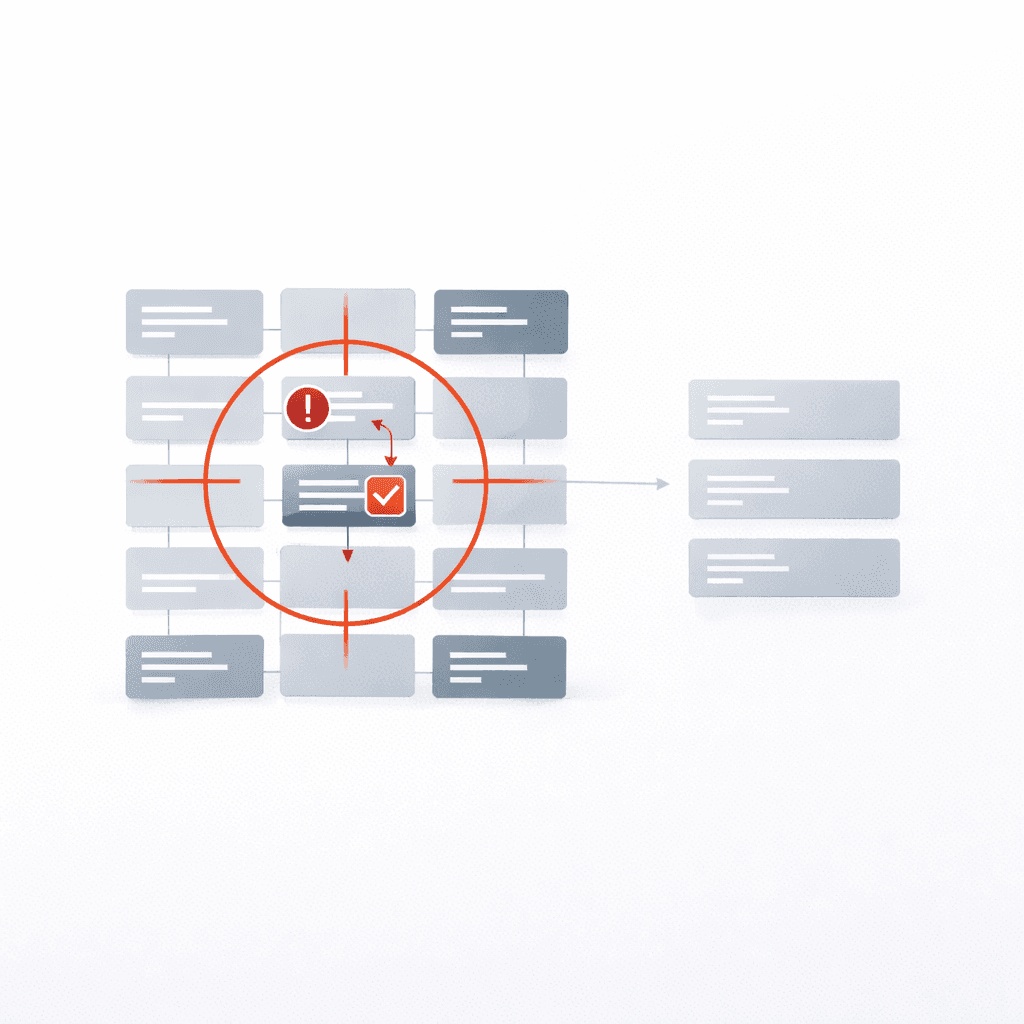
A buyer’s guide for modern EDI solutions. See how AI-powered EDI reduces configuration times, automates validation, and streamlines partner onboarding.
Many organizations still rely on electronic data interchange (EDI) to exchange purchase orders, shipping notices, invoices, and other critical supply chain documents with trading partners. The technology has supported B2B transactions for decades, but many traditional EDI systems were designed for a different era of integration. Manual configuration, rigid data mapping, and slow onboarding processes make adapting more complex as partner networks grow and transaction volumes increase.
As supply chains become more digital, many businesses are exploring how artificial intelligence (AI) can support more adaptive integration strategies. AI-powered EDI platforms introduce capabilities such as machine learning, predictive validation, and intelligent data mapping that can help reduce manual intervention and improve data accuracy across complex workflows.
This buyer’s guide explores how AI is shaping modern EDI platforms, what capabilities organizations should evaluate, and how to assess AI EDI solutions when planning future integration strategies.
About Orderful
Orderful's Mosaic platform combines API-driven architecture with intelligent automation supporting scalable EDI workflows through modern integration strategies. AI-assisted tools analyze existing transaction structures and partner requirements for adaptive mapping workflows, reducing configuration times and manual maintenance as networks evolve. Automated error detection continuously monitors transaction data identifying exceptions before documents move through exchange processes, minimizing troubleshooting efforts. Predictive validation analyzes transaction patterns over time to identify potential issues early, maintaining data accuracy and improving reliability across EDI operations.
How Is AI Transforming EDI and Data Exchange?
Traditional EDI systems have long supported structured data exchange between businesses, but were often designed around static configurations and manual processes. Many environments still rely on legacy value-added network (VAN) systems to route documents between partners, which can add complexity when organizations need to scale or modify workflows.
When companies onboard new trading partners or adjust document mappings, teams often rely on manual configuration and time-consuming efforts to test and validate transactions before documents move into production. As partner networks expand and transaction volumes grow, these limitations can slow integrations and increase transaction failures.
AI is beginning to change how EDI systems handle these challenges. Instead of relying entirely on fixed mappings and manual intervention, AI-driven systems can analyze transaction data, recognize patterns across EDI workflows, and assist with tasks that traditionally required human oversight. Machine learning models (MLMs) can help identify anomalies, flag potential errors before documents are sent, and support more adaptive approaches to data mapping.
These capabilities don’t replace the standardized formats and rules that EDI relies on. They improve how platforms process and validate data, helping organizations improve data accuracy and reduce operational strain.
What Do AI Capabilities Mean for EDI?
In the context of EDI, AI moves beyond simple automation. Traditional EDI platforms typically depend on predefined rules, static mappings, and manual configuration to process transaction data. When document requirements change or new trading partners join the network, teams often have to make updates and workflow adjustments by hand. AI-enabled platforms introduce systems that can analyze transaction histories and recognize patterns across EDI data to help processes adapt over time.
MLMs can evaluate large volumes of transaction data to identify recurring errors, detect anomalies, and support continuous process improvement across workflows. Instead of relying solely on manual adjustments, intelligent systems can recommend mapping changes, highlight inconsistencies in incoming documents, and improve validation as more transactions move through the platform.
These capabilities also influence how EDI platforms connect with other business systems. AI-driven platforms are often built on modern architectures that support reliable enterprise application integrations and scalable API connections, allowing EDI data to move more fluidly between ERP systems, warehouse platforms, and other supply chain applications.
What Key AI Features Should Buyers Evaluate?
As more vendors introduce AI capabilities into EDI platforms, buyers should focus on features that deliver measurable improvements. Not every capability provides the same operational value. Look for the following features when evaluating an AI EDI platform.
Automated Data Mapping and Transformation
Traditional mapping often requires manual configuration whenever new document formats or trading partner requirements appear. AI-assisted mapping tools can analyze existing transaction patterns and help automate parts of the mapping process. This approach can reduce the time required to configure integrations while supporting consistent workflows.
Intelligent Error and Anomaly Detection
Transaction failures often occur when small data inconsistencies slip through validation checks unnoticed. AI-enabled platforms can monitor transaction data in real time and identify patterns that may indicate incorrect data, formatting errors, or missing values, helping teams correct issues before documents reach trading partners and disrupt supply chain operations.
Predictive Validation and Transaction Monitoring
Predictive validation uses historical transaction data to anticipate potential problems before documents move through the exchange process. Instead of reacting to failures after they occur, organizations can monitor transaction behavior continuously and address data quality issues earlier in the workflow.
Machine Learning-Driven Workflow Optimization
Machine learning models can evaluate large volumes of transaction data to identify process bottlenecks, recurring mapping adjustments, or repetitive manual tasks. Over time, these insights can help organizations refine their EDI workflows and support continuous improvement across B2B environments.
Where Does AI Deliver the Most Value in EDI Workflows?
AI can support improvements across several parts of the EDI lifecycle, especially where inconsistent data or manual processes slow things down. If your EDI system handles high transaction volumes and multiple trading partners, AI-enabled platforms can help reduce operational friction and improve data quality. The following areas often show the most measurable benefits.
Reducing transaction failures: AI models can analyze historical patterns to detect inconsistencies that can lead to errors. By identifying anomalies or incorrect data before documents move through the exchange process, organizations can reduce the number of rejected transactions and resubmissions.
Accelerating trading partner onboarding: Onboarding new trading partners often requires configuring mappings and validating document structures. AI-assisted tools can help streamline the onboarding process by identifying similarities between existing partner configurations and new requirements, reducing manual setup.
Improving data accuracy across business systems: AI-driven validation can monitor EDI transactions continuously to catch formatting inconsistencies or missing values early. This helps maintain more reliable information as documents, such as purchase orders, invoices, and advance shipping notices (ASNs), move between supply chain networks.
Supporting predictive supply chain operations: When AI systems analyze historical transaction data, they can surface trends that help organizations anticipate operational issues. These insights may support better planning across purchasing, fulfillment, and inventory management processes.
Questions to Ask When Evaluating AI EDI Platforms
AI capabilities can vary widely between EDI providers, so it’s important to evaluate how those features function within real integration environments. Asking the right questions during evaluation can help your organization identify whether a solution will support long-term scalability and operational efficiency.
How Does the Platform Apply Machine Learning to EDI Workflows?
Look for clear explanations of how machine learning models analyze data, detect irregularities, or improve validation processes over time. Vendors should be able to explain how their systems learn from historical data and support stability over time.
Does the Platform Support Real-Time Data Processing?
Modern supply chains often depend on near-immediate visibility across transactions and partner communications. Platforms that enable real-time data processing can help reduce delays and improve responsiveness across supply chain operations.
How Does the Platform Reduce Manual Intervention?
Many traditional EDI systems still require manual adjustments for mapping updates, onboarding tasks, and error resolution. AI-enabled platforms should demonstrate how automation and intelligent workflows reduce the need for human intervention.
How Easily Can New Trading Partners Be Onboarded?
Onboarding speed often determines how quickly organizations can expand their partner networks. Evaluating how a platform manages configuration, validation, and testing for new partners can reveal how scalable the solution will be as the network grows and how effectively it transforms partner onboarding.
How Orderful Supports AI-Driven EDI Integration
Modern EDI environments require platforms that can adapt quickly. Orderful’s Mosaic platform combines an API-driven architecture with intelligent automation to help organizations manage EDI workflows more efficiently, support faster onboarding, and scale as partner networks expand.
API-driven architecture: Mosaic connects business systems and trading partners through scalable APIs. This architecture allows transaction data to move more reliably between systems while supporting modern integration strategies.
Intelligent mapping and transformation: AI-assisted tools help analyze existing transaction structures and partner requirements to support adaptive mapping workflows. This can reduce configuration times and manual mapping maintenance as partner networks evolve.
Automated error detection and resolution: Mosaic continuously monitors transaction data to identify exceptions before documents move through the exchange process. Early detection helps reduce failures and minimizes troubleshooting efforts.
Predictive validation: By analyzing transaction patterns over time, AI-enabled validation compares current transactions to identify potential issues early in the workflow. This helps teams maintain data accuracy while improving reliability across EDI operations.
Choosing the Right AI EDI Platform for Modern Supply Chain Operations
As organizations modernize their integration strategies, AI-enabled EDI platforms are becoming an important part of scalable supply chain infrastructure. The right solution should combine intelligent automation with a flexible architecture that supports growing partner networks, evolving document requirements, and high transaction volumes.
By evaluating capabilities such as adaptive mapping, predictive validation, and real-time data processing, organizations can identify platforms built to support long-term reliability and operational efficiency. If you’re exploring how AI-driven EDI can improve your integration strategy, contact an EDI expert to discuss your needs or book a demo to see for yourself how Orderful’s Mosaic platform supports modern EDI operations.
FAQs
How is AI transforming EDI and data exchange?
AI changes how EDI systems handle challenges by analyzing transaction data, recognizing patterns across workflows, and assisting with tasks traditionally requiring human oversight. Machine learning models identify anomalies, flag potential errors before document transmission, and support adaptive data mapping approaches. Instead of relying entirely on fixed mappings and manual intervention when document requirements change or new trading partners join networks, AI-driven systems can recommend mapping changes, highlight document inconsistencies, and improve validation as more transactions move through platforms without replacing standardized EDI formats and rules.
What key AI features should I evaluate in EDI platforms?
Evaluate automated data mapping and transformation analyzing existing transaction patterns to reduce manual configuration time when new document formats appear. Look for intelligent error and anomaly detection monitoring transaction data in real time to identify incorrect data, formatting errors, or missing values before reaching trading partners. Assess predictive validation using historical data to anticipate problems before documents move through exchange processes. Examine machine learning-driven workflow optimization evaluating large transaction volumes to identify process bottlenecks, recurring mapping adjustments, or repetitive manual tasks supporting continuous improvement.
Where does AI deliver the most value in EDI workflows?
AI delivers measurable value in reducing transaction failures by analyzing historical patterns to detect inconsistencies before documents move through exchange processes, accelerating trading partner onboarding by identifying similarities between existing configurations and new requirements, improving data accuracy through continuous validation monitoring catching formatting inconsistencies early as purchase orders, invoices, and ASNs move between systems, and supporting predictive supply chain operations by analyzing historical data to surface trends helping organizations anticipate operational issues for better planning across purchasing, fulfillment, and inventory management.
What questions should I ask when evaluating AI EDI platforms?
Ask how platforms apply machine learning to EDI workflows, requiring clear explanations of how models analyze data, detect irregularities, and improve validation over time. Question whether platforms support real-time data processing enabling near-immediate visibility across transactions. Evaluate how platforms reduce manual intervention demonstrating automation replacing manual adjustments for mapping updates, onboarding tasks, and error resolution. Inquire how easily new trading partners can be onboarded, examining configuration, validation, and testing processes revealing scalability as networks grow.
How does Orderful's AI-driven EDI work?
Orderful's Mosaic uses API-driven architecture connecting business systems and trading partners through scalable APIs moving transaction data reliably while supporting modern integration strategies. Intelligent mapping and transformation tools analyze existing transaction structures and partner requirements supporting adaptive workflows reducing configuration times and manual maintenance. Automated error detection continuously monitors transaction data identifying exceptions before documents move through exchange processes, minimizing failures and troubleshooting. Predictive validation analyzes transaction patterns over time identifying potential issues early maintaining data accuracy and improving reliability across EDI operations.
- 01About Orderful
- 02How Is AI Transforming EDI and Data Exchange?
- 03What Do AI Capabilities Mean for EDI?
- 04What Key AI Features Should Buyers Evaluate?
- 05Where Does AI Deliver the Most Value in EDI Workflows?
- 06Questions to Ask When Evaluating AI EDI Platforms
- 07How Orderful Supports AI-Driven EDI Integration
- 08Choosing the Right AI EDI Platform for Modern Supply Chain Operations
- 09 FAQs
